
Skip to content

Custom Development

We connect your system to e-invoicing, payments, and your existing tools

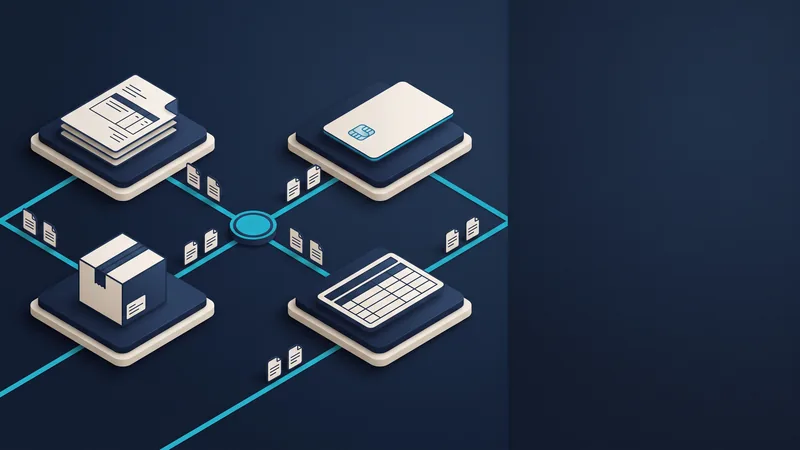
We integrate your systems with the services you actually need: national e-invoicing (JoFotara), electronic payments, delivery companies, and accounting systems — through a flexible adapter layer that isolates providers from your core.

Integrations

Decision brief for Integrations

Choose JoFotara and payments integrations when your current system is sound and you need a reliable tax or payment layer. Do not replace a working platform — add a clear path for invoices and collection. If you are building a new product from scratch, fold integrations into the SaaS project instead of a separate engagement.

BarmajTek integrations focus on national e-invoicing and payment paths that disrupt operations when they fail. We document retries, logs, and responsibility boundaries so the connection is not “magic” to accounting. Clinic Tek demonstrates electronic invoicing ready for national paths inside a product used by real clinics, and the clinics solution shows where the invoice belongs in the clinic day. The case study adds tenant isolation, backups, and data export context. Before kickoff, ask to see a signature failure or gateway decline and how retries avoid duplicate manual entry. Record who owns environment keys, who reviews logs, and who corrects a rejected invoice. If the current platform is sound, we add an adapter layer around it; if you are building new SaaS, we design those boundaries into the architecture. Scope starts with a written data contract for every event: identifier, amount, currency, state, timestamp, and which system owns truth when records disagree. Idempotency prevents duplicates, webhook signatures verify origin, and queues retry within declared limits. We test timeouts, duplicate notifications, out-of-order events, provider outages, and daily reconciliation between internal and external records. Secrets and sensitive fields stay out of logs while enough evidence remains for investigation. Integration failure then becomes a managed state rather than a surprise that stops invoicing.

How we deliver

  1. Map providers and events

    We choose integration points: JoFotara, payments, delivery, and accounting for your stack.

  2. Build an adapter layer

    Providers stay isolated from your core so they can be swapped later.

  3. Test failure and queues

    Retries, webhooks, and failure paths are tested before production.

  4. Monitor live integrations

    Alerts and dashboards track send success, invoicing, and collection.

Honest scope and cost

Integration cost follows provider count and failure cases that must be proven — not a vague “API connect.” JoFotara, payments, and delivery each need a data contract, retries, and reconciliation. We do not replace a working system for the integration alone. Send an integration brief through the start-project form with providers, sandbox access, and expected decline cases.

Start a project for Integrations

How we verify delivery

Integration requires authorised access, documentation and test samples. Provider approval, licences and legal compliance are not guaranteed by building an API; assign responsibilities first.

  • Verify message provenance and the operation reference.
  • Test repetition, delay and provider outages.
  • Reconcile representative records and totals across systems.
  • Provide an exception queue and permission-scoped recovery process.
Every integration starts from the provider contract and business requirements, then proves acceptance, failure, and settlement before it is called production-ready.
Clinic Tek case study — Integrations

Frequently asked questions

Yes, we build an integration layer around your current system without a full rewrite.

Let’s plan your project

Tell us what you want to build or improve. We’ll review your needs and discuss the next step.